


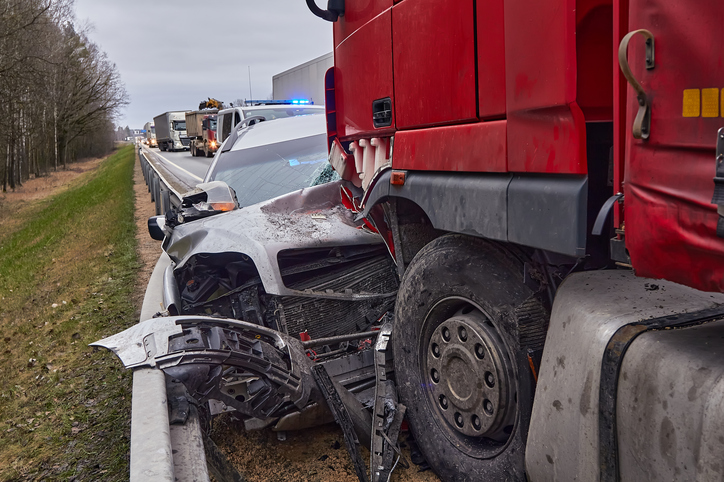
Truck accidents in Denver present unique challenges that distinguish them from typical car accidents. Understanding these complexities is crucial for anyone involved in such incidents, as they often involve severe injuries, multiple liable parties, and intricate legal processes.
Size and Weight Differences
One of the most apparent differences between truck and car accidents is the disparity in size and weight. A fully loaded semi-truck can weigh up to 80,000 pounds, whereas a standard passenger vehicle typically weighs between 3,000 and 4,000 pounds. This significant difference means that when a collision occurs, the impact is far more devastating, often leading to catastrophic injuries or fatalities.
Federal Regulations and Compliance
The trucking industry is governed by stringent federal regulations set by the Federal Motor Carrier Safety Administration (FMCSA). These rules cover various aspects, including driver qualifications, hours of service, vehicle maintenance, and cargo securement. Violations of these regulations can contribute to accidents, and proving such violations requires specialized knowledge and access to detailed records.
Multiple Liable Parties
In truck accident cases, liability is often more complex due to the involvement of multiple parties. Potentially responsible entities include:
- The truck driver
- The trucking company
- Vehicle manufacturers
- Maintenance providers
- Cargo loaders
Identifying all liable parties and determining their respective responsibilities necessitates a thorough investigation and legal expertise.
Evidence Collection Challenges
Collecting evidence in truck accident cases is more challenging than in car accidents. Critical data such as electronic logging device (ELD) records, maintenance logs, and black box information can be pivotal in establishing fault. However, trucking companies may attempt to withhold or destroy this evidence, making prompt legal intervention essential to preserve crucial information.
Severity of Injuries
Due to the massive size and weight of commercial trucks, accidents involving them often result in more severe injuries compared to car accidents. Victims may suffer from traumatic brain injuries, spinal cord injuries, internal organ damage, and multiple fractures. These injuries typically require extensive medical treatment, prolonged rehabilitation, and may lead to permanent disabilities.
Insurance and Settlement Complexities
Insurance claims in truck accident cases are often more complicated due to the involvement of multiple insurance policies. Each liable party may have its own insurance coverage, and determining the extent of each policy's responsibility can be a complex process. Additionally, insurance companies may employ aggressive tactics to minimize payouts, requiring skilled negotiation and legal representation to secure fair compensation.
Legal and Procedural Nuances
Navigating the legal landscape of truck accident cases involves understanding both state and federal laws. Colorado's comparative fault rule, which allows for the apportionment of damages based on the degree of fault, adds another layer of complexity. Moreover, the statute of limitations for filing claims can vary, and missing critical deadlines can result in the forfeiture of the right to seek compensation.
Truck Accident Attorneys
Truck accident cases in Denver are inherently more complex than car accident cases due to factors such as size and weight disparities, federal regulations, multiple liable parties, evidence collection challenges, the severity of injuries, insurance intricacies, and legal nuances. If you or a loved one has been involved in a truck accident, it is imperative to seek experienced legal counsel to navigate these complexities and ensure your rights are protected.
If you've been injured in a truck accident in Denver, don't navigate the complexities alone. Contact Denver Trial Lawyers® today for a free consultation. Our experienced team is dedicated to fighting for the justice and compensation you deserve. Call us at (303) 647-9990 or visit www.denvertriallawyers.com to learn more.